What we learned running the numbers.

Setting Customer Expectations: Map Every Objection to Your Offer
Setting customer expectations starts before the sale.

Experience vs Experienced: How to Build Authority When You Are New
How to build authority fast when you are new: talk about what you have seen, not only what you have done, and say plainly that you saw it.

Four Kinds of Problems and Two Kinds of Buyers
Every customer problem is one of four kinds: counting, wanting, belonging or body.

Credibility Marketing: The Four Sources of Trust
Credibility marketing in four sources: results customers report, trust borrowed from people your market believes, a record of past work, and your own true story.

FTC Compliance for Marketing Claims Starts With Your Refunds
FTC compliance for marketing claims starts after the sale.

Funnel Architecture: Build Your Sales Funnel as a Decision Timeline
Funnel architecture is the order of your offers, not the pages.
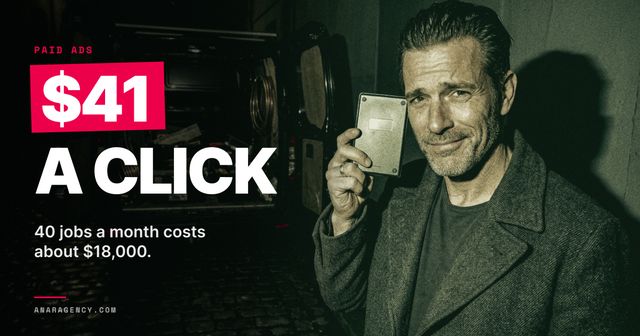
How Much to Spend on Google Ads: Test, Winner and Scale Budgets
How much should you spend on Google Ads? Size the budget from what one customer can pay you: test each new campaign at that amount a day, raise winners to three times it, then scale.

How to Get a Google Knowledge Panel for Yourself or Your Firm
How to get a Google knowledge panel when you are not famous: pick one home base, write one description and paste it on every profile, tie them together with sameAs markup, earn mentions on sites you do not own, and claim the panel when it shows up.

Meta Ads Settings to Turn Off Before They Run Your Account
The Meta ads settings to turn off, and where each one hides: audience suggestions, budget sharing, related media, and spend on excluded placements.

Content That Sells: Where to Put the Offer and How to Label It
Content that sells gives the full answer first and makes one clearly labeled offer later.
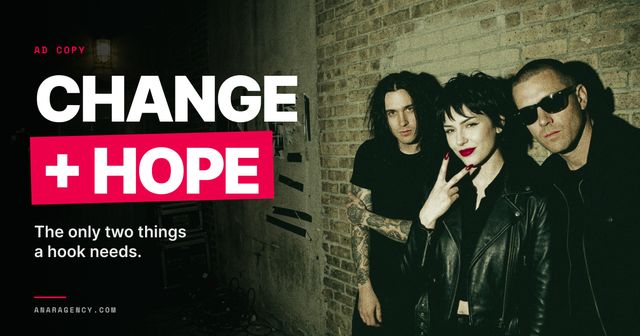
How to Write a Hook: Change Plus Hope in Four Questions
How to write a hook that sticks: find the one belief your market agrees on, break it with proof, and show why the change is good news.

How Meta's Algorithm Actually Finds Your Buyers
How the Facebook algorithm works for ads: Meta does not show your ad to your whole audience.

Hub-and-Spoke SEO for Service Businesses: Why Your Blog Does Not Rank
Hub-and-spoke SEO for service businesses: merge thin posts into one long guide, add two or three deep spokes, and link every page to the guide and to the page that sells.

Write the Landing Page Before the Ad
Write the landing page for your ads first, then cut the ads out of it.

Lead Nurture Strategy: Get the Lead First, Then Ask for the Sale
A lead nurture strategy that asks for the lead before the sale: give something useful, ask for one small yes, keep giving in every follow-up, and ask for the sale once.

Local Facebook Ads Targeting: Spend Close to Home, Then Ask One Question
Facebook location targeting for a local business: put most of the budget within 5 to 10 miles, add a cheaper outer ring, and pick zip codes by price fit.

Long-Form Facebook Ad Copy: How to Write the Long Ad
Long-form Facebook ad copy works when the buyer faces a big decision and has tried other fixes.

Conversation, Not Call: How to Get Tired, Busy Buyers to Book
A sales call alternative that still ends in a real talk.

Argue Against the Story Your Market Believes
Contrarian marketing that works does not shout the opposite.

Market Maturity Stages: Read Your Market Before You Fix the Copy
Market maturity decides more than your copy does.

Max Allowable CPA: The Ceiling That Tells You Which Ads to Kill
Max allowable CPA is the most you can pay to win one customer.

Problem-Aware Ads: Name It, Fix It, Hand It Over
Problem-aware ads are for buyers who know something is wrong but not what fixes it.

How to Write a News Hook: Turn a Real Event Into a Post People Read
How to write a news hook: turn one real event from this week into the opening of a post or email for one buyer.

Upsell Strategy: Sell the Next Problem Your Product Creates
A good upsell strategy sells the fix for the problem your first product creates.